Final Diploma Project · 9.5 / 10
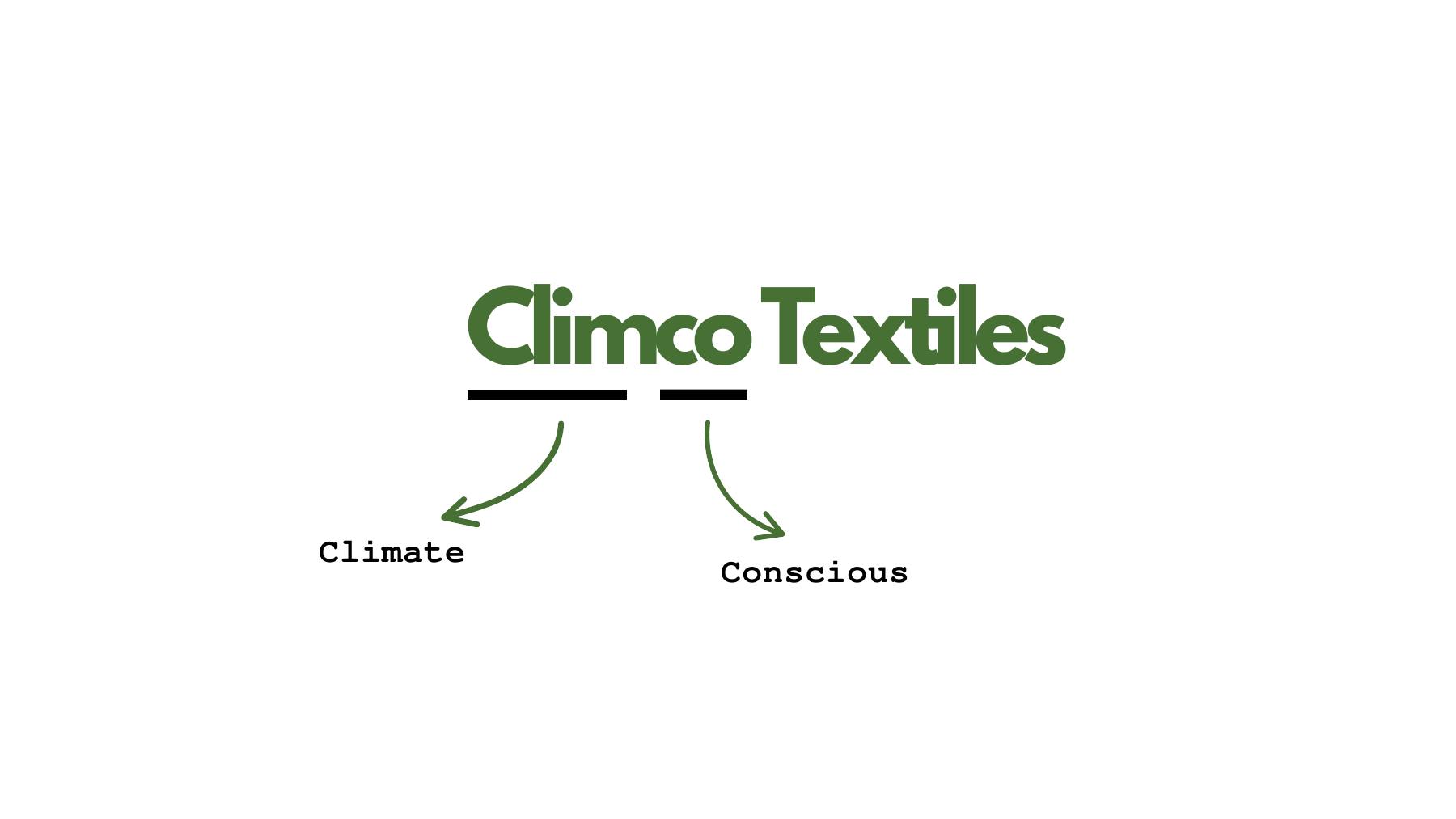
ClimcoTextiles
A sustainable fabric-sourcing agency between Bangladeshi artisans and European buyers.
- Type
- Final diploma project — solo
- Institution
- IED Madrid
- Grade
- 9.5 / 10
- Geography
- Bangladesh ↔ EU
Project file
The deck, slide by slide.
21 slides · swipe / scroll →
 01 / 21
 02 / 21
 03 / 21
 04 / 21
 05 / 21
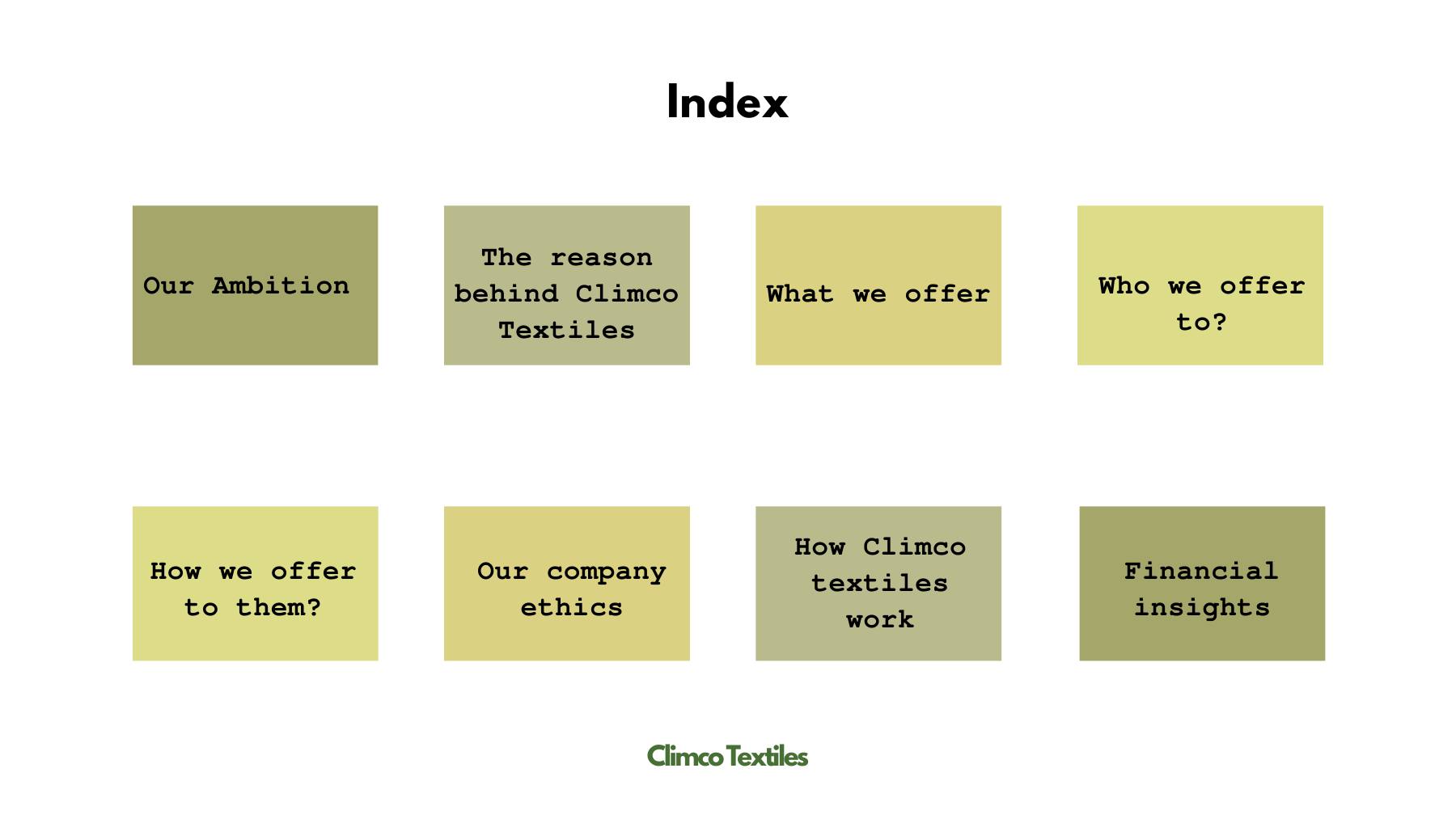 06 / 21
 07 / 21
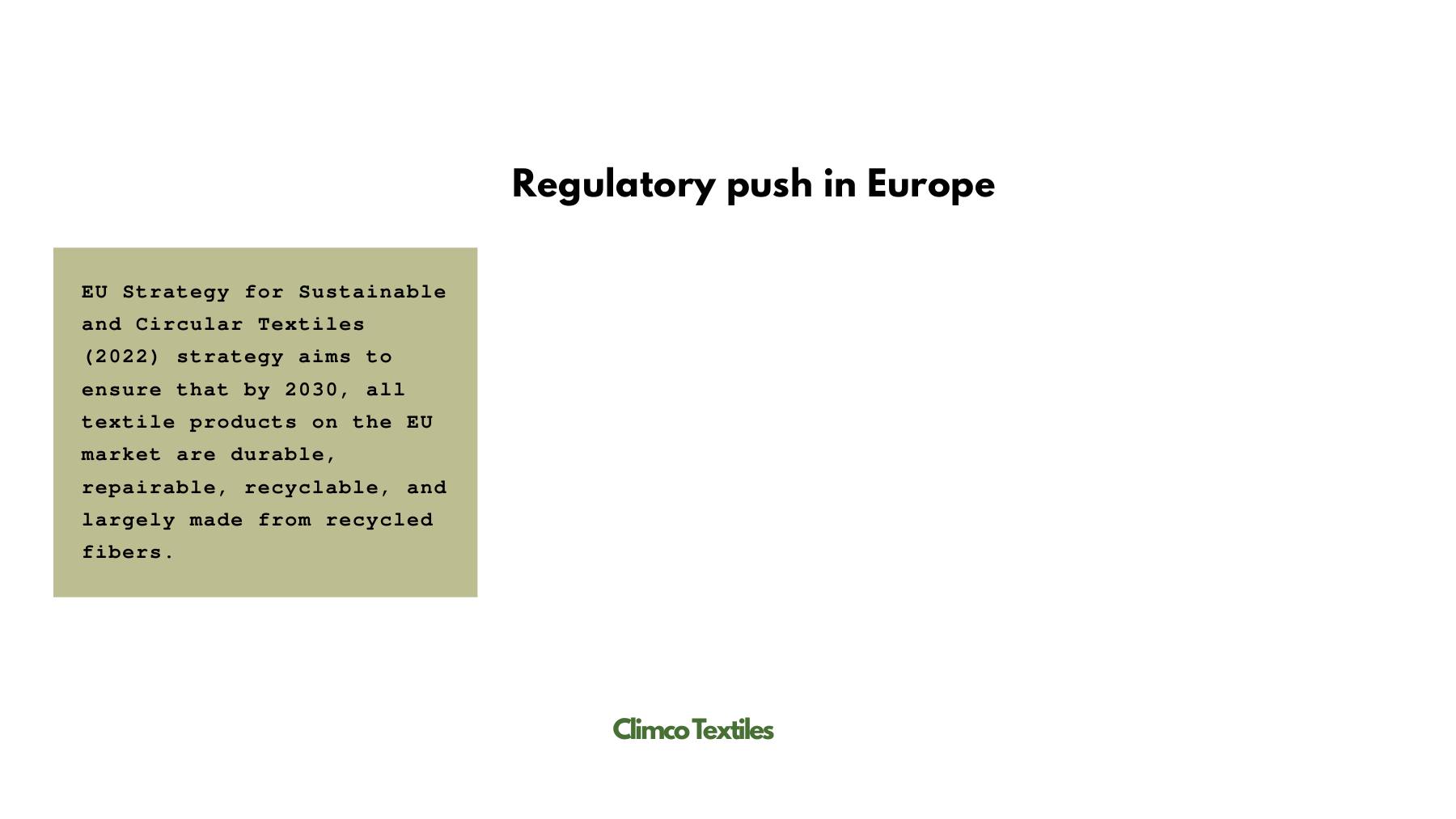 08 / 21
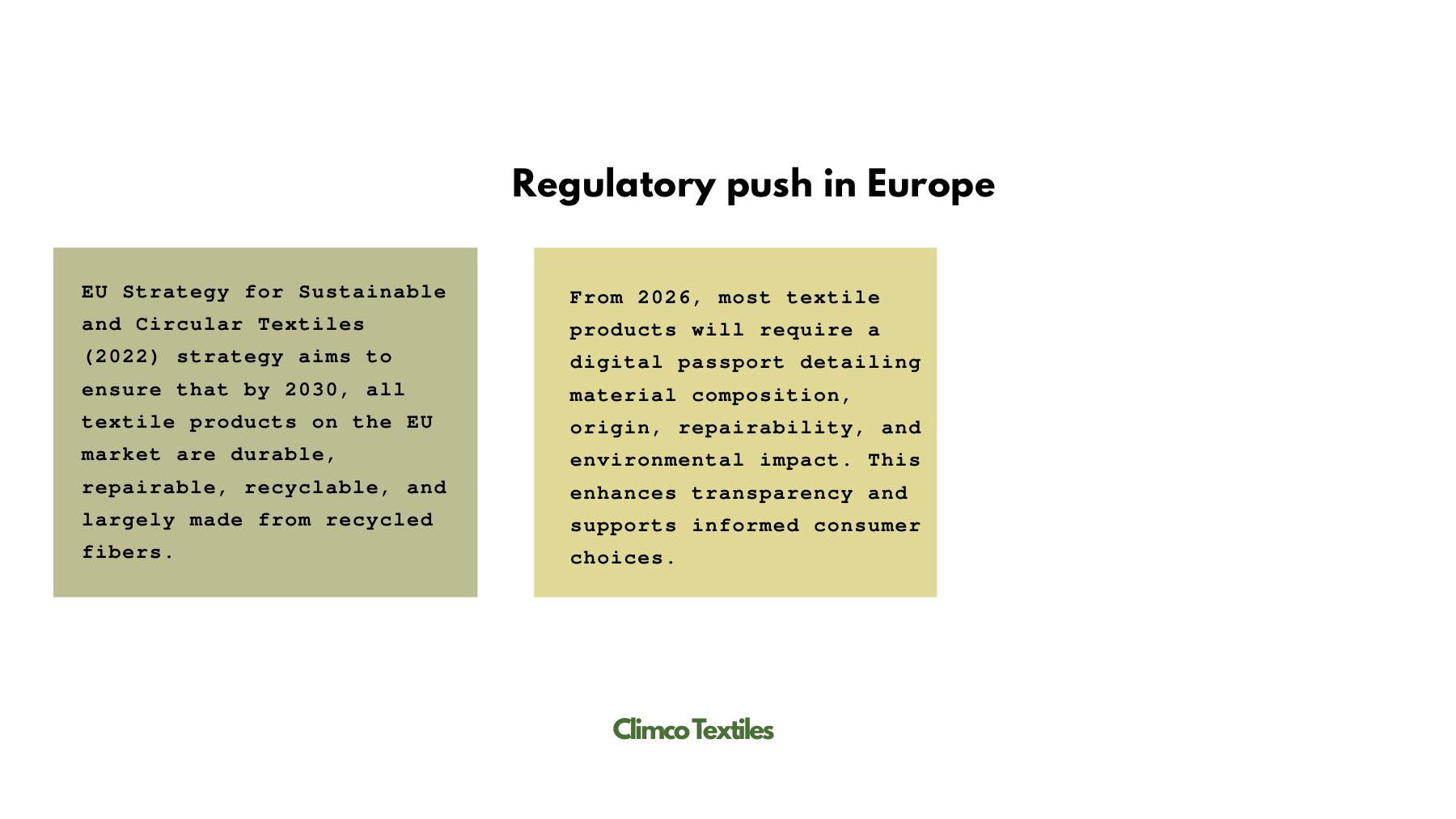 09 / 21
 10 / 21
 11 / 21
 12 / 21
 13 / 21
 14 / 21
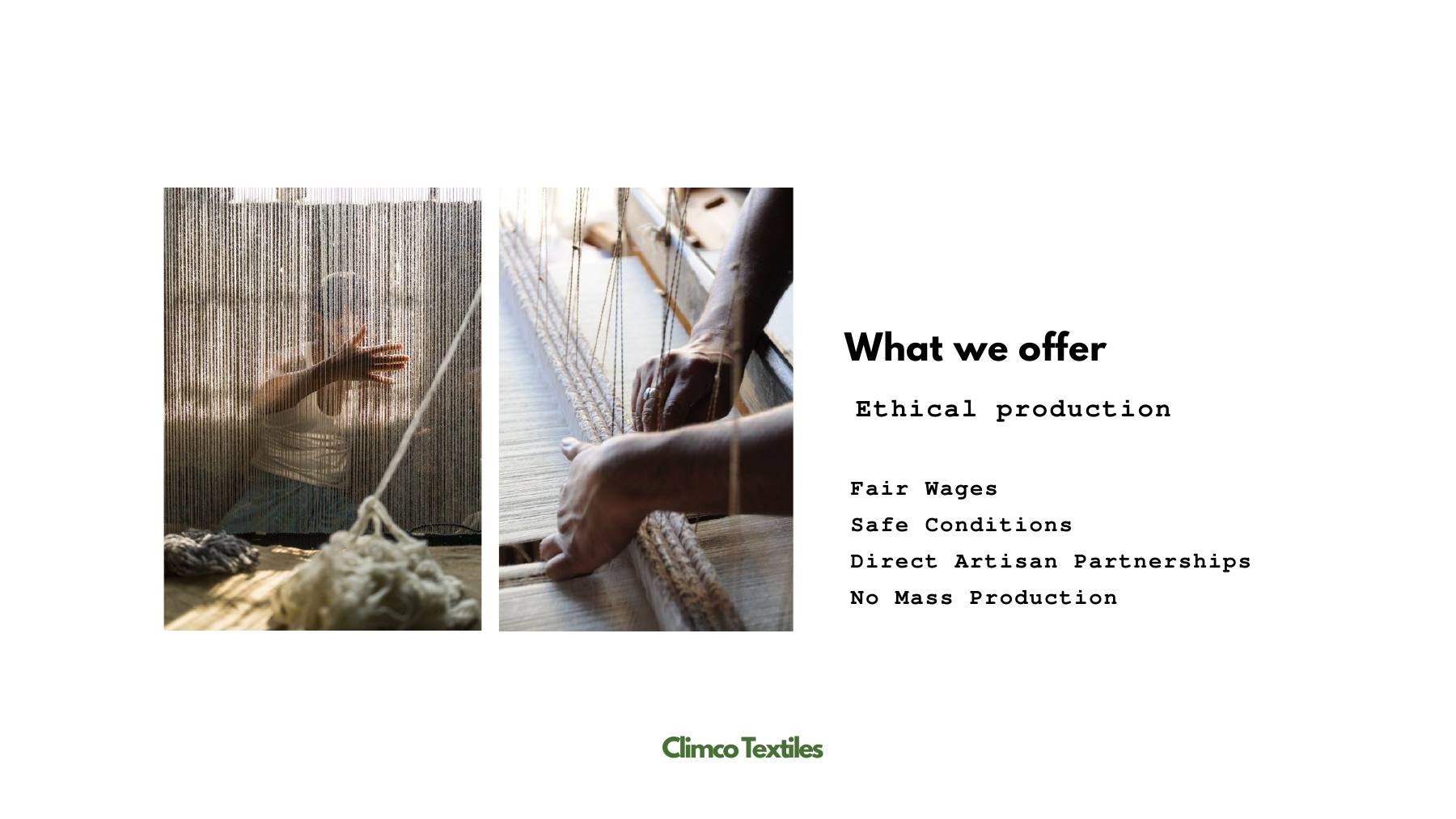 15 / 21
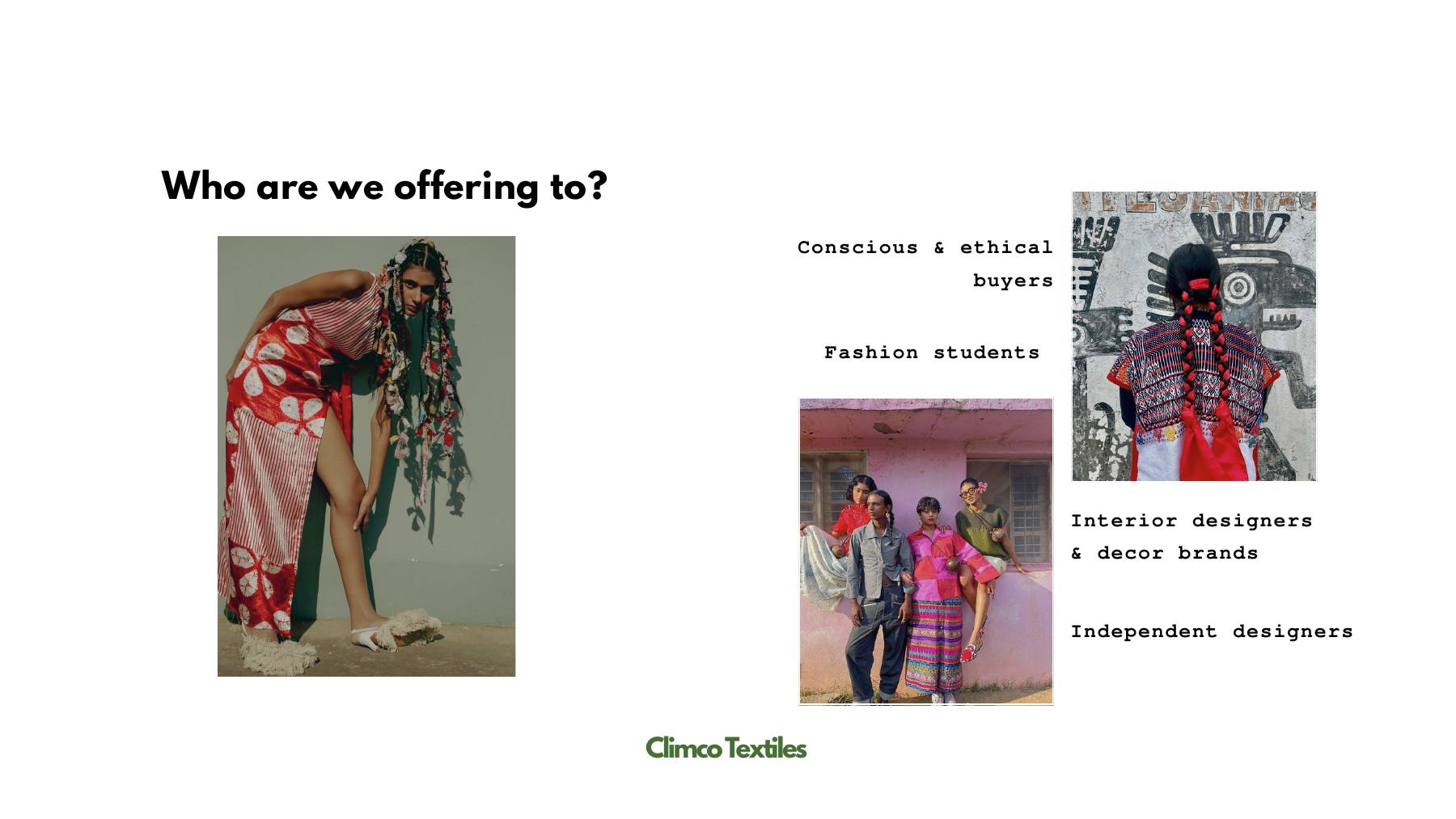 16 / 21
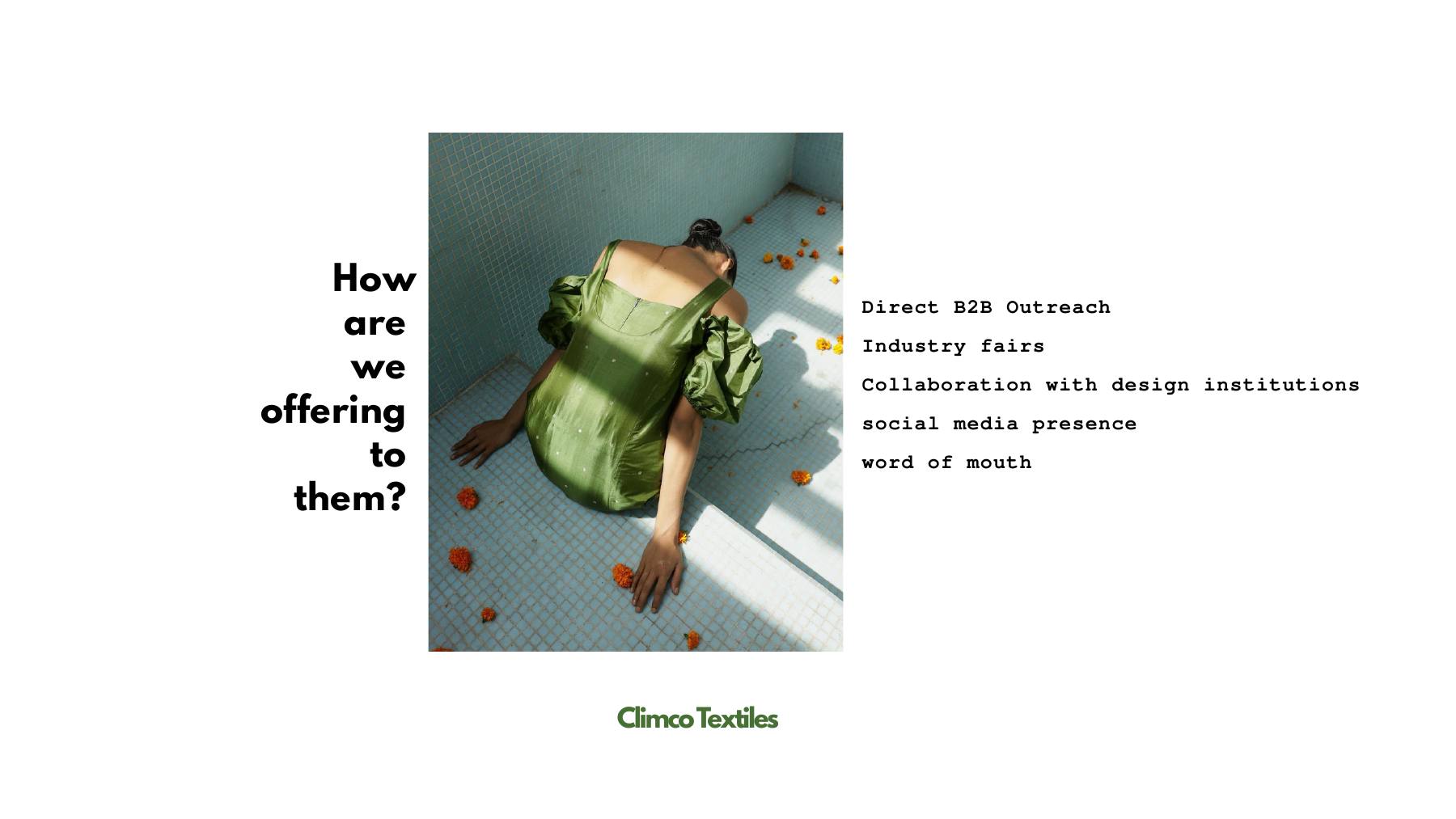 17 / 21
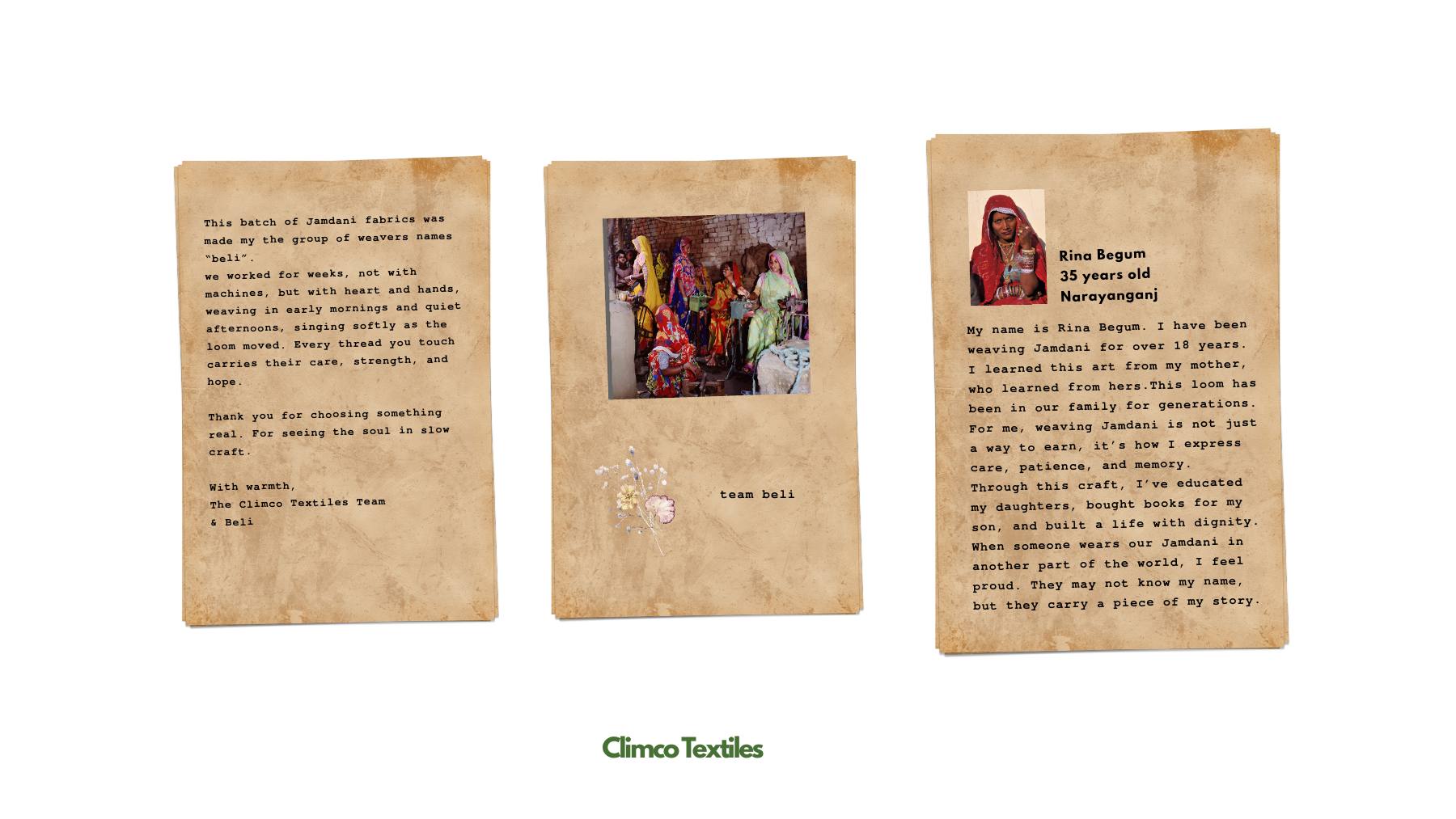 18 / 21
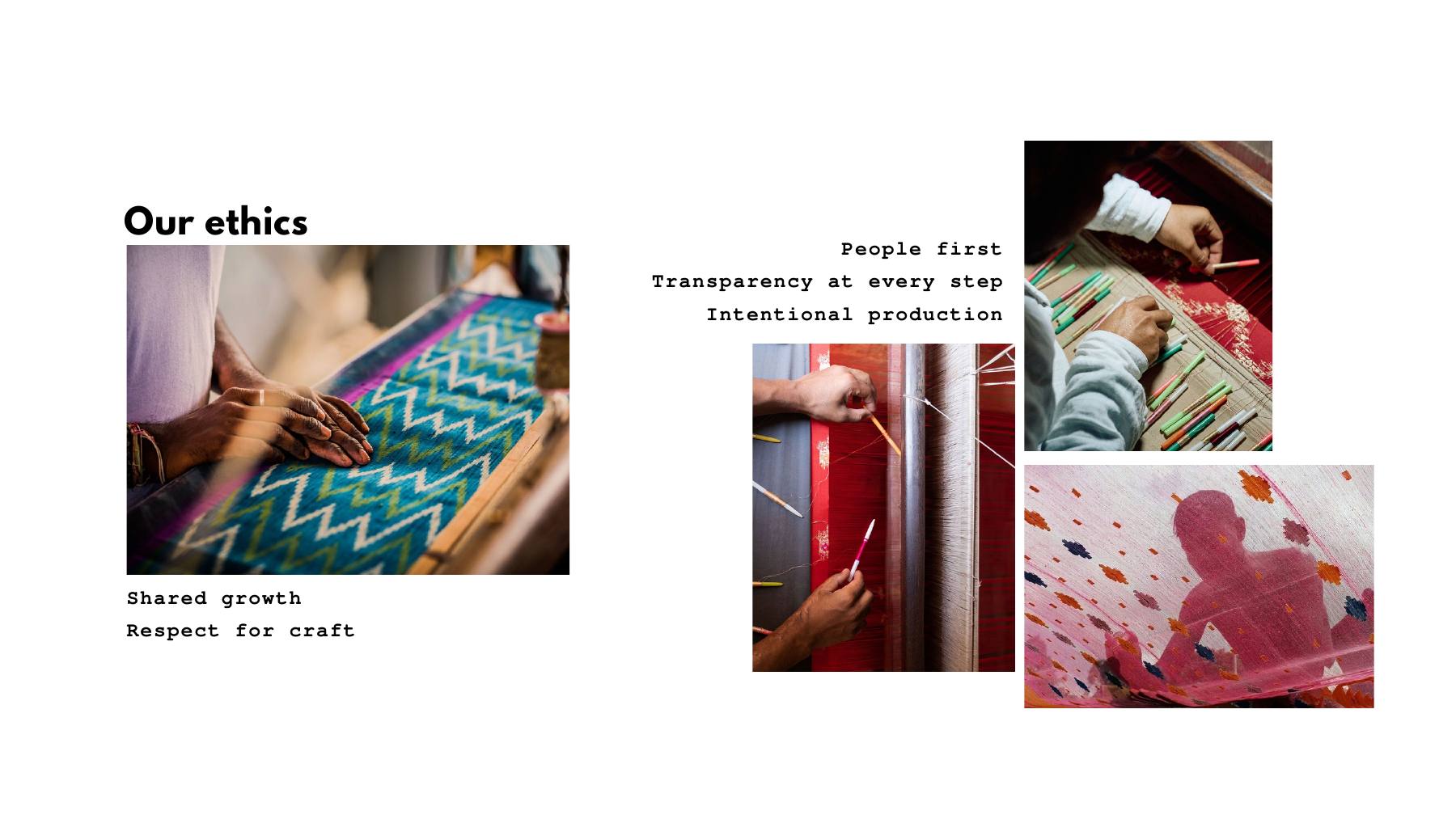 19 / 21
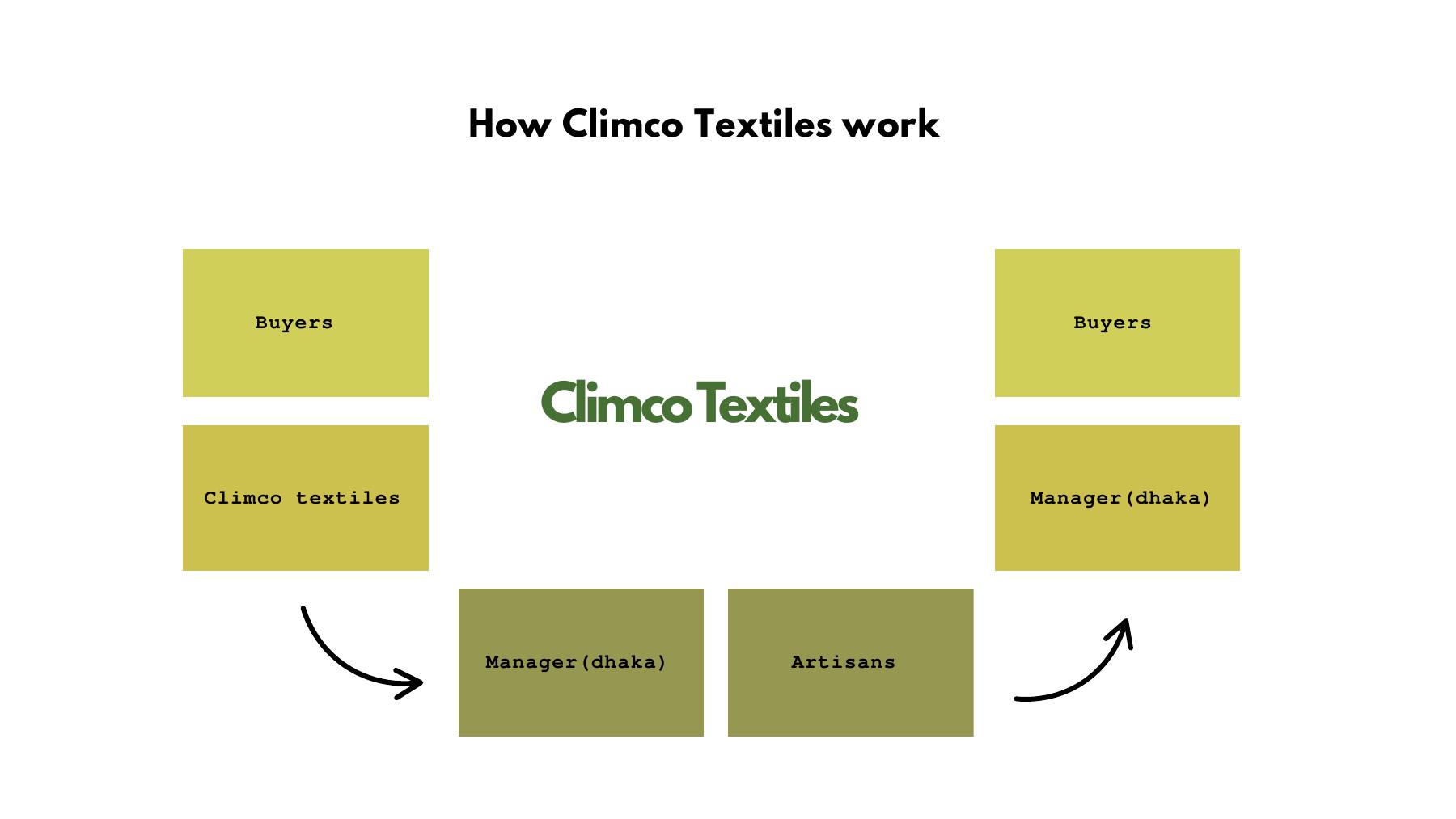 20 / 21
 21 / 21
Overview
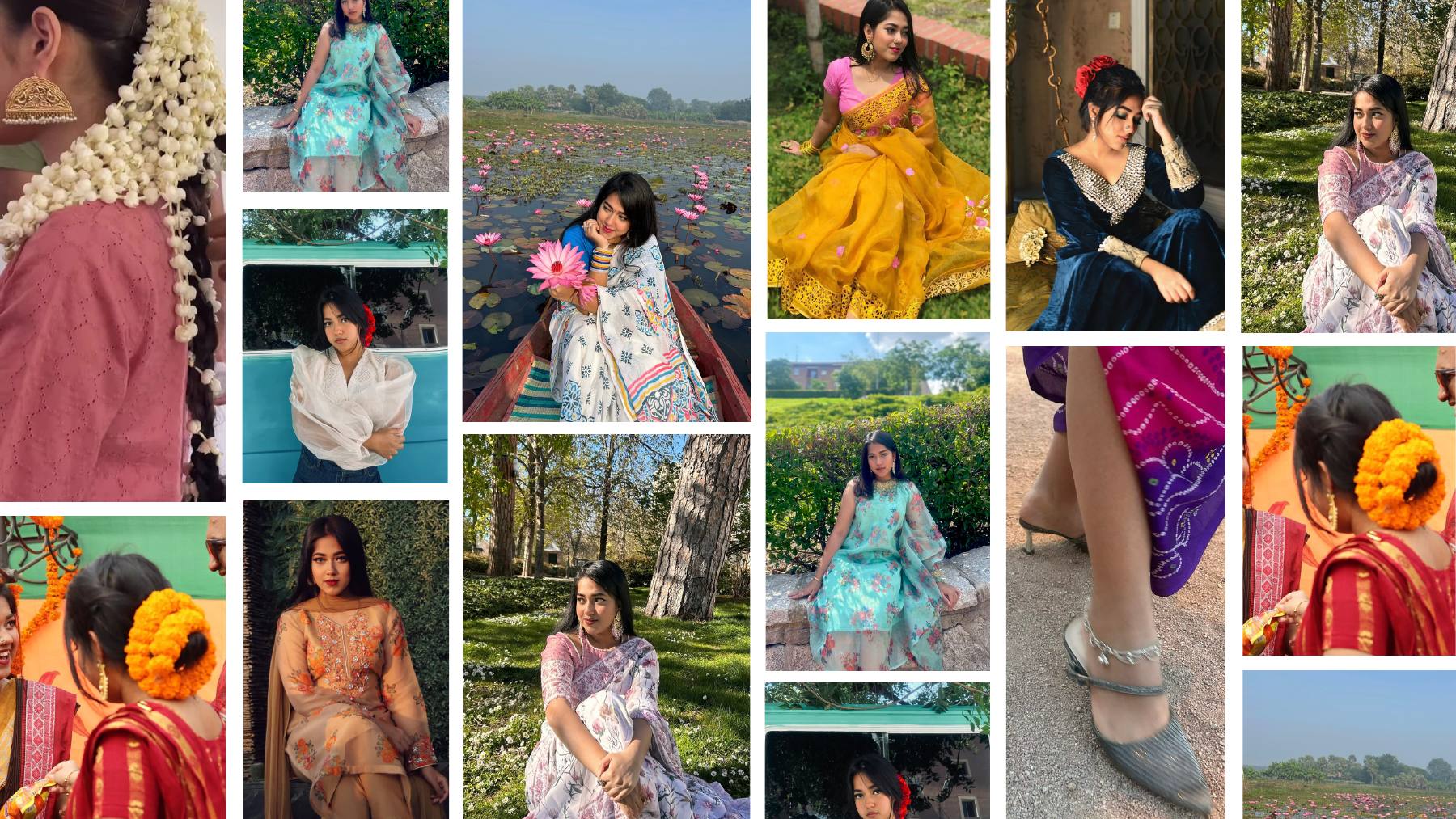
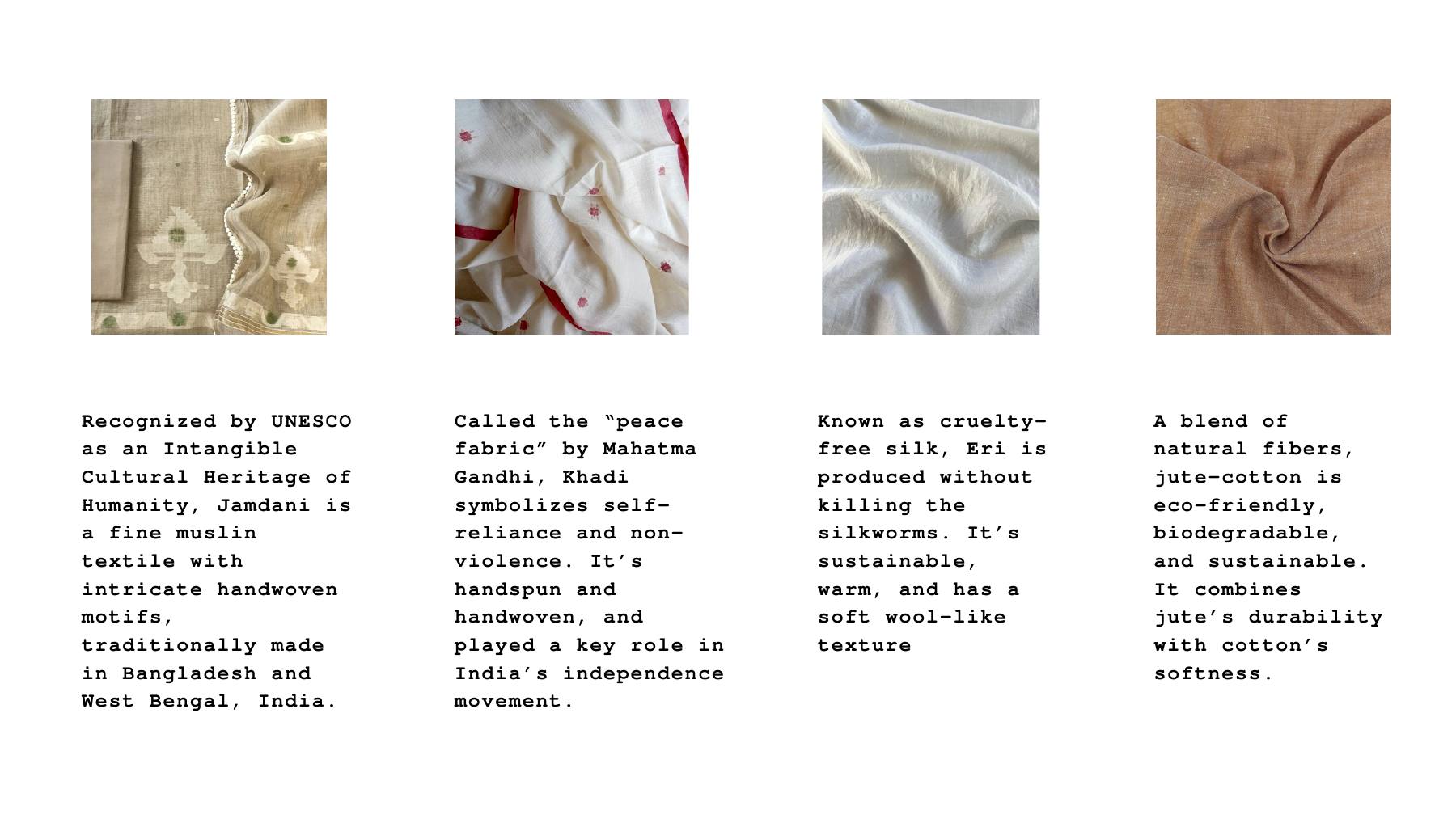
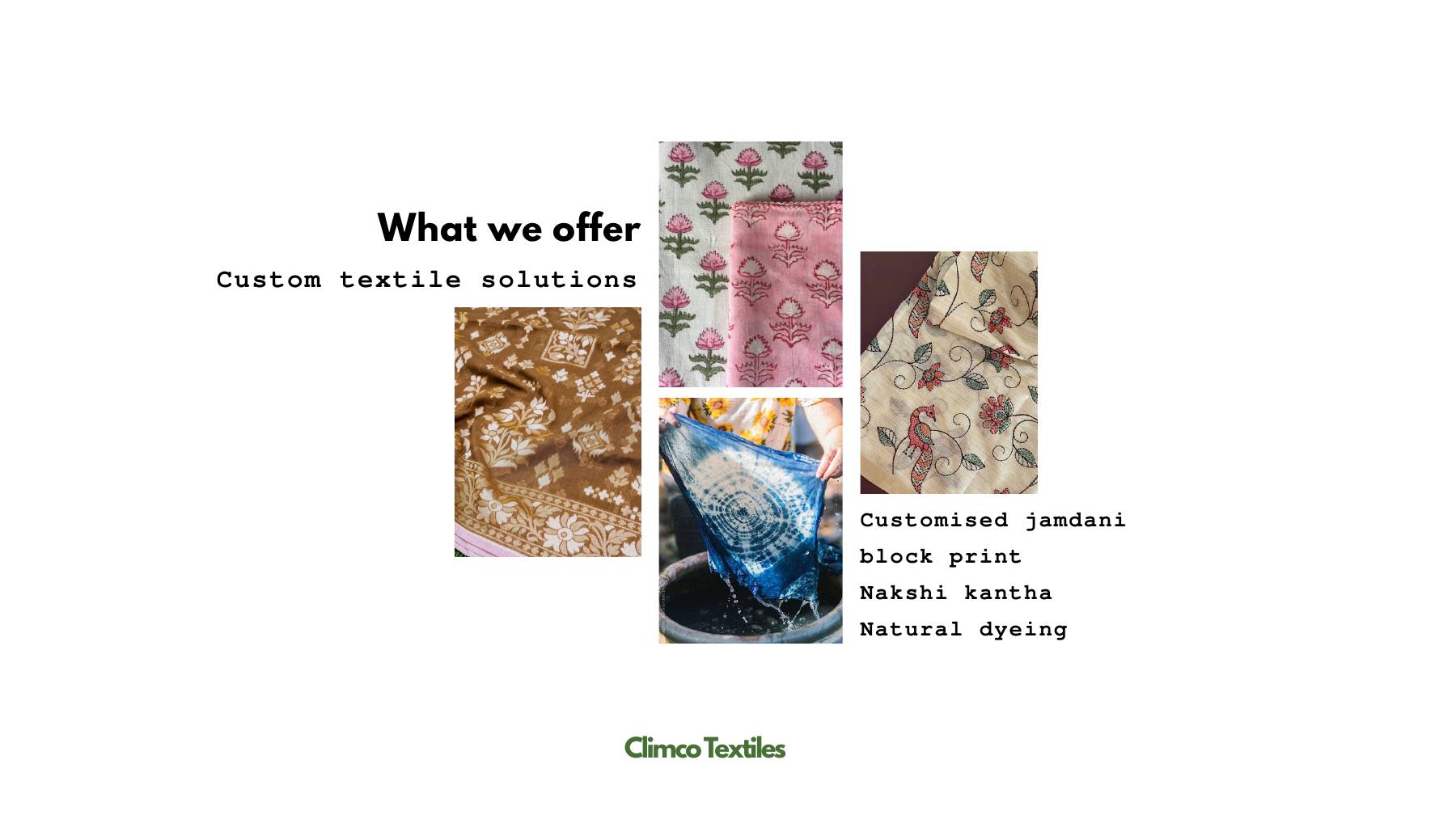
ClimcoTextiles is the venture I built for my final diploma at IED Madrid. It connects Bangladeshi weaving and textile communities with European buyers under a fair-wage, no-mass-production model — supplying the heritage fabrics that the EU's new circular-textiles framework is pulling for, ahead of where most sourcing currently sits.
Context
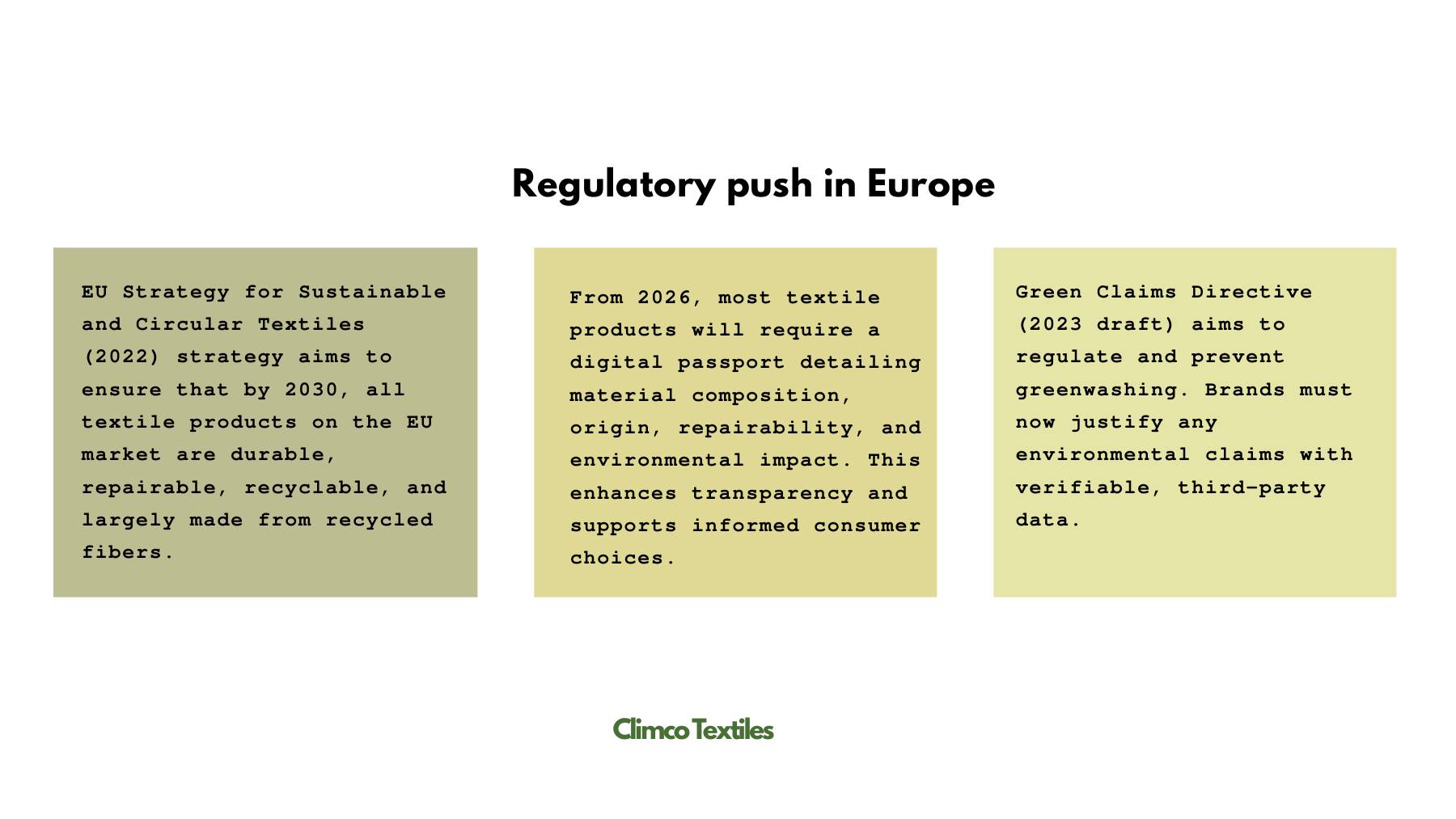
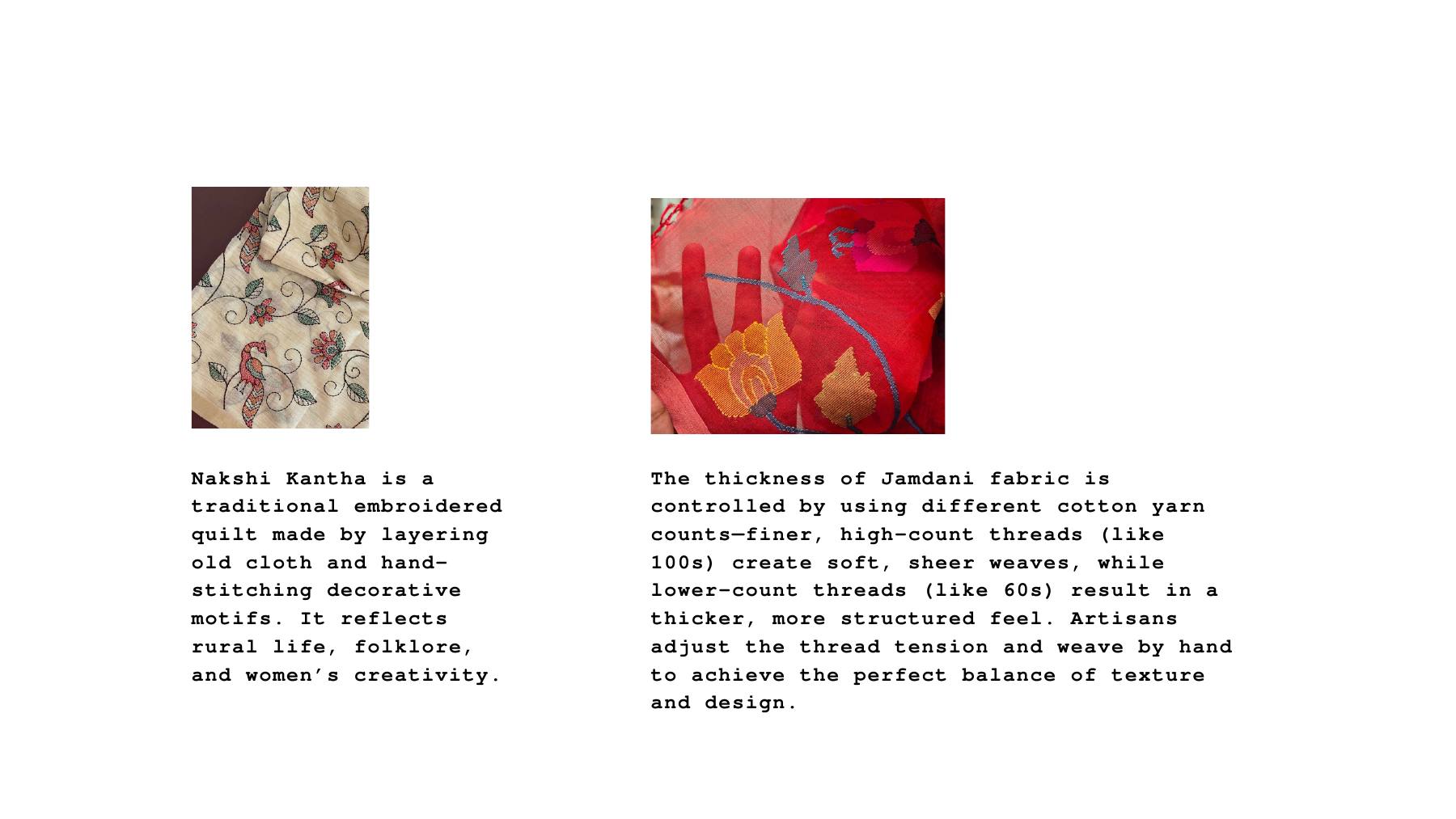
European brands are being pushed by the Sustainable & Circular Textiles Strategy, the Digital Product Passport and the Green Claims Directive to prove provenance and reduce overproduction. Bangladesh, meanwhile, holds the artisan know-how — Jamdani, jute cotton, Eri silk, organic cotton — but artisans are routinely cut out of the margin. Climco closes that gap.
Approach
- 01
Defined a B2B agency model: small-batch, made-to-order sourcing for European designers and ateliers — no warehoused stock, no surplus.
- 02
Mapped the full value chain from cotton farm and handloom workshop in Bangladesh through quality control, documentation and EU-side delivery.
- 03
Built the regulatory case: how each EU directive becomes commercial tailwind rather than friction, including a Digital Product Passport-ready provenance dossier per shipment.
- 04
Set fair-wage rates against the local artisan baseline and structured payment cycles that pay weavers up-front, not on delivery.
- 05
Designed brand identity, pitch deck and Dhaka operating plan to make the model investor-legible.
Outcome
→ The deliverable is a complete sourcing model — value chain, fair-wage structure, regulatory case and Dhaka operating plan.
Next project
Woven Roots
A heritage-modern womenswear brand reframing Bangladeshi craft for a global wardrobe.